


Water damage is not always obvious. A burst pipe or overflowing appliance can leave little doubt that you have a problem, but some of the most damaging water issues develop quietly behind walls, beneath flooring, above ceilings, or inside cabinets.
A small plumbing leak can continue for days or even weeks before visible damage appears. By then, moisture may have already affected drywall, insulation, wood framing, flooring, or other building materials.
Knowing the signs of hidden water damage can help you identify a potential problem earlier and prevent a relatively small leak from becoming a much larger restoration project.
Here are seven warning signs that could indicate you have hidden water damage behind your walls.
1. Musty or Unusual Odors
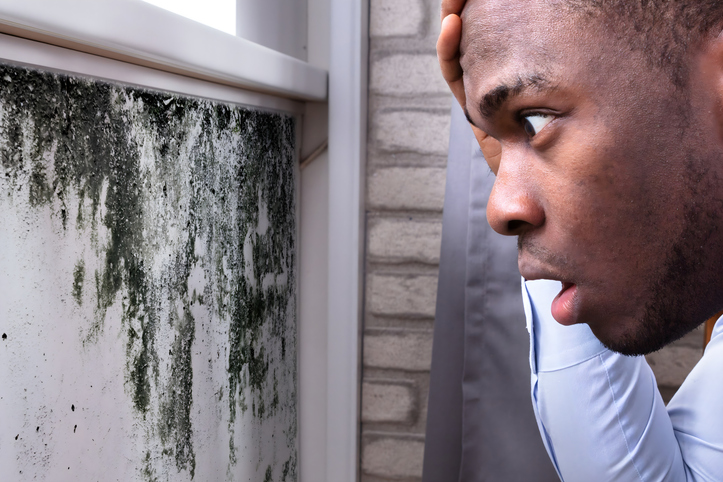
One of the earliest signs of hidden moisture is often something you smell rather than something you see.
A persistent musty, damp, or earthy odor can indicate that moisture is trapped somewhere inside your home. If the smell is strongest near a particular wall, cabinet, closet, bathroom, or other enclosed area, there may be damp building materials nearby.
Musty odors can also be associated with mold growth. Because mold requires moisture to grow, an unexplained odor should not simply be covered with air fresheners or ignored.
If you notice a musty smell that continues even after cleaning and ventilating the room, it may be time to investigate for a hidden water leak.
2. Discoloration on Walls or Ceilings
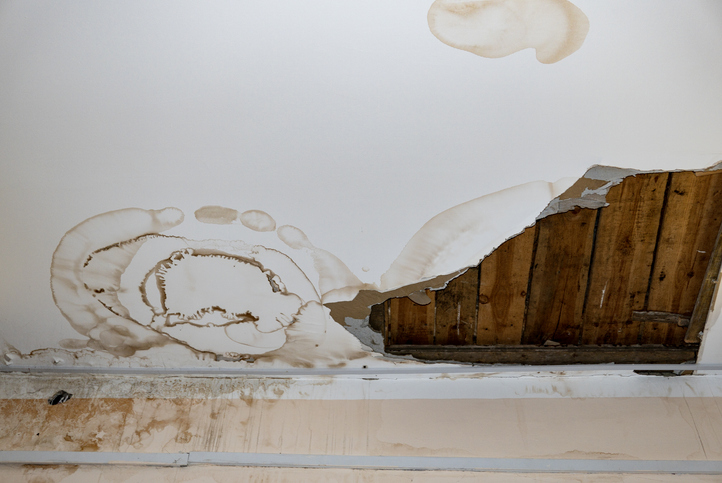
Brown, yellow, copper-colored, or otherwise unusual stains on drywall are classic signs of water intrusion.
The stain itself may not be located directly next to the source of the leak. Water can travel along pipes, framing, drywall, and other building materials before becoming visible.
For example, a plumbing leak inside an upstairs bathroom could eventually produce staining on the ceiling of the room below. A roof leak might allow water to travel along framing before appearing somewhere farther from the original point of entry.
Even a relatively small stain deserves attention, especially if it grows, darkens, or returns after being painted over.
Painting over a water stain may hide the cosmetic problem, but it does nothing to correct the source of the moisture.
3. Bubbling, Peeling, or Warped Paint and Drywall
Paint and drywall can provide important clues about what is happening inside a wall.
When drywall absorbs moisture, the material can swell, soften, or begin deteriorating. Paint and wallpaper may also lose their adhesion as moisture works its way toward the surface.
Watch for:
- Bubbling or blistering paint
- Peeling or flaking paint
- Wallpaper separating from the wall
- Swollen or bowed drywall
- Soft areas in the wall
- Crumbling drywall
- New cracks or surface irregularities
Changes like these can indicate moisture behind the wall, particularly when they appear suddenly or continue getting worse.
Do not assume the affected area is dry simply because you cannot see standing water. Moisture can remain trapped inside drywall, insulation, framing, and other porous materials long after the surface appears dry.
4. Warped Baseboards, Flooring, or Trim
Water often moves downward, which means some of the first visible signs of a leak may appear near the floor.
Baseboards can swell, separate from the wall, discolor, or begin to warp when exposed to moisture. Wood and laminate flooring may buckle, cup, lift, or develop gaps.
Water can also become trapped beneath tile, vinyl, laminate, carpet, and other finished flooring materials.
This is particularly important after a plumbing leak, appliance failure, overflowing fixture, or other water event. Removing the visible water does not necessarily mean that everything underneath the floor is dry.
If flooring suddenly begins changing shape or baseboards appear swollen without an obvious explanation, hidden water damage should be considered as a possible cause.
5. Mold Appears Without an Obvious Moisture Source
Visible mold is another potential warning sign of an unresolved moisture problem.
Bathrooms and other humid areas can occasionally develop small amounts of surface mold, but mold appearing on drywall, baseboards, ceilings, inside cabinets, or in other unexpected locations may indicate moisture coming from somewhere you cannot see.
The important question is not simply how to remove the visible mold. It is why the area became damp enough for mold to grow in the first place.
Cleaning visible mold without correcting the moisture source may allow the problem to return. If water has entered a wall cavity or other concealed area, there may also be additional moisture or mold that is not visible from inside the room.
Professional evaluation may be appropriate when mold accompanies suspected water damage, particularly when the source of the moisture is unknown.
6. Your Water Bill Suddenly Increases
Sometimes the first evidence of a hidden plumbing leak arrives in the mail.
If your household’s water usage has not changed but your water bill suddenly increases, water may be escaping somewhere in the plumbing system.
A slow leak inside a wall can waste water continuously without creating the dramatic flooding associated with a burst pipe.
Pay attention to unexplained increases in water consumption, particularly when combined with other warning signs such as:
- Damp or musty odors
- Wall discoloration
- Unusual sounds from plumbing
- Soft drywall
- Warped flooring
- Mold growth
An unexplained increase in water use does not automatically mean there is a leak behind a wall, but it is a good reason to investigate.
Finding and repairing the source quickly can help prevent additional water damage.
7. You Hear Dripping or Running Water When Nothing Is On
Your ears can sometimes identify a hidden leak before your eyes do.
If you hear dripping, trickling, hissing, or running water inside a wall when faucets and water-using appliances are turned off, there may be a plumbing issue that requires attention.
Listen carefully during quiet periods in the home. Sounds may be particularly noticeable at night.
Plumbing systems can make normal noises as pipes expand, contract, or refill, so not every sound indicates a leak. However, a new or persistent water sound that cannot be connected to a running fixture should be investigated.
The sooner the source is located, the better the chance of limiting the amount of water damage inside the wall.
Where Does Hidden Water Damage Usually Occur?
Water can become trapped almost anywhere, but certain areas of a home are more susceptible because of nearby plumbing, appliances, roofing, or exterior openings.
Common locations for hidden water damage include:
- Walls behind showers and bathtubs
- Beneath sinks
- Around toilets
- Behind refrigerators and dishwashers
- Near washing machines and water heaters
- Beneath flooring
- Inside kitchen and bathroom cabinets
- Around windows and exterior doors
- Below roof leaks
Water can also travel surprisingly far from its original source. That is one reason finding a stain does not necessarily mean you have found the leak.
How Do Professionals Find Water Damage Behind Walls?
Finding hidden water damage does not always require immediately opening walls.
Professional water damage inspections can use specialized equipment to identify areas where moisture may be present and determine how far the water has traveled.
Moisture Meters
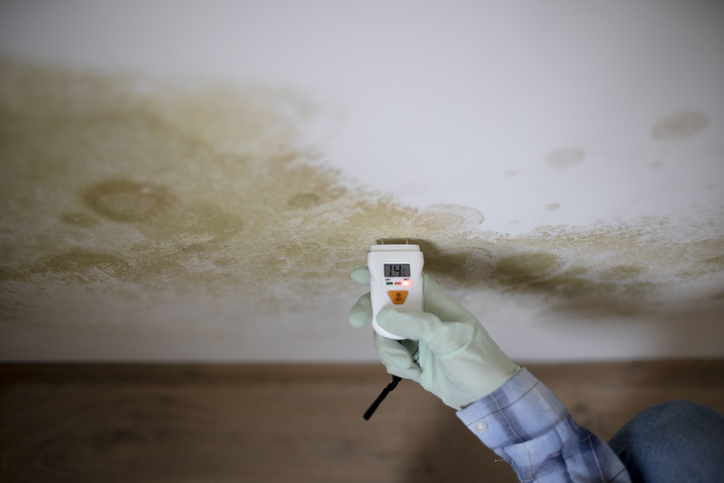
Moisture meters help restoration professionals measure moisture levels in building materials.
Testing multiple areas can help establish which materials are wet and compare them with unaffected areas of the property.
Thermal Imaging
Thermal imaging cameras can help identify temperature differences across walls, ceilings, and other surfaces that may indicate areas requiring additional moisture investigation.
Thermal imaging does not literally see water through walls, but when used alongside moisture-testing equipment and a physical inspection, it can help restoration professionals locate potential problem areas more efficiently.
Physical Inspection
Technology is only part of the process.
A professional inspection also considers the suspected source of the water, the materials involved, how water is likely to have traveled through the structure, and the visible signs of damage.
The goal is to determine the extent of the water damage, not simply identify the most obvious wet spot.
What Happens if Water Damage Behind a Wall Is Ignored?
Hidden water damage generally does not resolve simply because you cannot see it.
Building materials that remain wet can deteriorate over time. Drywall may soften or crumble, wood components can swell or warp, insulation may retain moisture, flooring can become damaged, and persistent dampness can create conditions that support mold growth.
The longer moisture remains trapped, the more complicated the restoration process can become.
That is why early moisture detection is so important.
A relatively small plumbing repair combined with targeted drying may be much easier to address than discovering extensive damage after moisture has been present for an extended period.
Can You Dry Water Damage Behind a Wall Yourself?
That depends on the amount of water, how long it has been present, what materials became wet, and where the water traveled.
A very small leak discovered immediately may sometimes be manageable once the plumbing problem has been repaired.
However, professional water damage restoration should be considered when water has entered wall cavities, soaked insulation, spread beneath flooring, affected ceilings or cabinetry, reached multiple rooms, or remained undetected for an unknown amount of time.
The type of water involved also matters. Water from a clean supply line presents a different situation from water involving sewage, drain backups, or other potentially contaminated sources.
Most importantly, a surface that feels dry is not proof that everything inside the structure is dry.
Why Hidden Water Damage Can Lead to Mold
Moisture control is one of the most important parts of preventing mold after water damage.
When drywall, insulation, wood, carpet padding, or other porous materials remain damp, mold may have an opportunity to grow.
This is why addressing the source of the water and thoroughly drying affected materials are both important.
If mold is already visible, there is a persistent musty odor, or water damage remained unnoticed for an extended period, professional mold remediation may also be necessary.
Simply cleaning or painting over visible evidence of mold does not address moisture that may still be present inside the structure.
What Should You Do if You Suspect Hidden Water Damage?
Start by trying to identify and stop the source of the water if you can do so safely.
Do not cut into walls when electrical wiring, plumbing, contamination, or significant structural damage may be involved.
Instead, look for visible warning signs and document anything unusual. Take photographs of stains, warped flooring, damaged baseboards, mold, or other evidence of water intrusion.
If you cannot determine the extent of the moisture, a professional water damage inspection can help establish how far the water has traveled and what needs to be dried, repaired, or removed.
The key is not to wait until the damage becomes obvious.
Professional Water Damage Restoration in Southern California
Hidden water damage can be difficult to recognize, but catching it early can help limit damage to your home and reduce the scope of repairs.
Home Perfect Restoration provides professional water damage restoration in Southern California, including moisture detection, water extraction, structural drying, dehumidification, documentation, and repairs when necessary.
Our team can use professional moisture-testing equipment and thermal imaging to help identify water that may have traveled beyond the areas you can see.
If you notice musty odors, wall stains, warped flooring, peeling paint, mold, or other signs of hidden moisture, contact Home Perfect Restoration. Identifying the source and extent of the water damage early can help prevent a small problem from becoming a much larger restoration project.

Frequently Asked Questions About Hidden Water Damage
How can you tell if there is water damage behind a wall?
Common signs include musty odors, discoloration, bubbling or peeling paint, soft drywall, warped baseboards, mold growth, unusual plumbing sounds, and unexplained increases in water usage. Professional moisture testing can help determine whether building materials contain elevated moisture.
Can you have water damage without seeing a leak?
Yes. Slow plumbing leaks, roof leaks, appliance leaks, and water intrusion can remain concealed behind walls, beneath floors, or above ceilings. Visible damage may not appear until moisture has been present for some time.
What does water damage inside a wall look like?
Water damage may cause brown or yellow stains, bubbling paint, peeling wallpaper, swollen drywall, warped trim, soft spots, or mold. In some cases, there may be no visible signs and the first clue is a musty odor.
Can a moisture meter detect water behind drywall?
Moisture meters can help identify elevated moisture levels in drywall and other building materials. Restoration professionals often combine moisture readings with thermal imaging and physical inspection to determine the extent of suspected water damage.
Does drywall need to be replaced after water damage?
Not always. Whether drywall can be dried or should be removed depends on factors such as the amount and type of water, how long the material remained wet, its condition, and whether contamination or mold is present. A professional assessment can help determine the appropriate approach.
How long can water stay trapped inside a wall?
Water can remain trapped inside wall assemblies for an extended period when conditions do not allow the materials to dry properly. Insulation, drywall, wood framing, and other materials can retain moisture even when the visible surface appears dry.
Can hidden water damage cause mold?
Yes. Persistent moisture can create conditions that allow mold to grow. Addressing both the moisture source and wet building materials is important when dealing with water damage and mold.
Who should I call if I suspect water damage behind my walls?
If you suspect an active plumbing leak, the source may first need to be repaired by the appropriate plumbing professional. A water damage restoration company can then evaluate moisture levels, determine the extent of the damage, dry affected materials, and address restoration needs.